We use cookies to provide the services and features offered on our website and to improve our user experience.







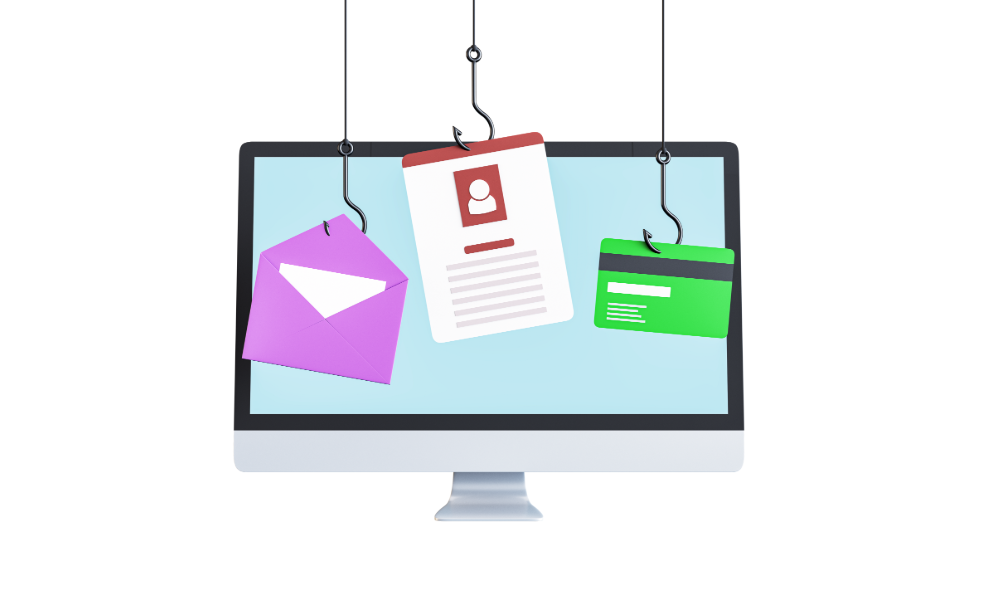

Online marketplaces and social media have made it easier than ever to find great deals, but it has also opened the door for scammers. A common tactic today is fake ad listings. These scams are designed to look like legitimate offers for apartments, cars, event tickets, or even pets, but their goal is to steal your money or personal information.
Understanding how these scams work can help you avoid becoming a victim.
What Are Fake Ad Listing Scams?
Fake ad listings are fraudulent posts that appear on trusted platforms like Facebook Marketplace, Craigslist, or even legitimate looking websites. Scammers often copy real photos and descriptions to create convincing listings, then pressure buyers or renters to act quickly.
Once they gain your trust, they’ll ask for payment upfront, often through non-secure methods like wire transfers, gift cards, or payment apps, and then disappear.
Common Red Flags to Watch For
While these scams can be convincing, there are some common warning signs:
Prices that seem too good to be true
If a listing is significantly cheaper than similar items or rentals, it’s often a red flag designed to quickly grab attention.
Requests for upfront payment
Be cautious of anyone asking for deposits, full payment, or “holding fees” before you’ve seen an item in person or signed official paperwork.
Limited or rushed communication
Scammers often push for quick decisions, claiming there are other interested buyers. They may also avoid phone calls or in-person meetings.
Unusual payment methods
Requests to pay via gift cards, wire transfers, cryptocurrency, or peer-to-peer apps—especially without buyer protection—should raise concern.
Copy-and-paste listings
If you see the same photos or wording across multiple posts, it may indicate a scam.
How to Protect Yourself
A few simple steps can go a long way in protecting your finances:
Do your research
Search the listing details online. Reverse image searches can help you identify if photos have been copied from other sources.
Never send money up front
Avoid paying for items or rentals before seeing them in person or confirming the legitimacy of the seller.
Use secure payment options
Whenever possible, use payment methods that offer buyer protection.
Trust your instincts
If something feels off, it probably is. It’s always okay to walk away from a deal.
Verify the seller
For rentals or high-value items, look for official contact information, business listings, or reviews.
What to Do If You Suspect a Scam
If you come across a suspicious listing or believe you’ve been targeted:
- Stop communication with the seller immediately
- Do not send any additional money or information
- Report the listing to the platform where it was posted
- Monitor your financial accounts for unusual activity
- Contact your financial institution if you’ve already made a payment
Staying One Step Ahead
Scammers are constantly evolving their tactics, but awareness is one of your strongest defenses. By staying informed and taking a cautious approach, you can shop, browse, and connect online with confidence.