We use cookies to provide the services and features offered on our website and to improve our user experience.






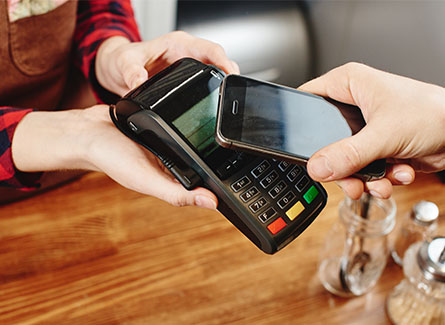


Every day, we manage more of our finances online, from checking account balances and paying bills to shopping and depositing checks. While these tools offer convenience, they also create opportunities for scammers and cybercriminals.
At Maine State Credit Union, we believe protecting your financial well-being includes protecting your personal information. Understanding cybersecurity and adopting a few simple habits can help reduce your risk of fraud and identity theft.
What Is Cybersecurity?
Cybersecurity refers to the measures used to protect devices, accounts, and personal information from unauthorized access or theft. Cybercriminals often target individuals through phishing emails, fraudulent text messages, identity theft, and other scams designed to steal information or money.
The good news is that many of these threats can be prevented through awareness and proactive habits.
Common Cyber Threats
Phishing Scams
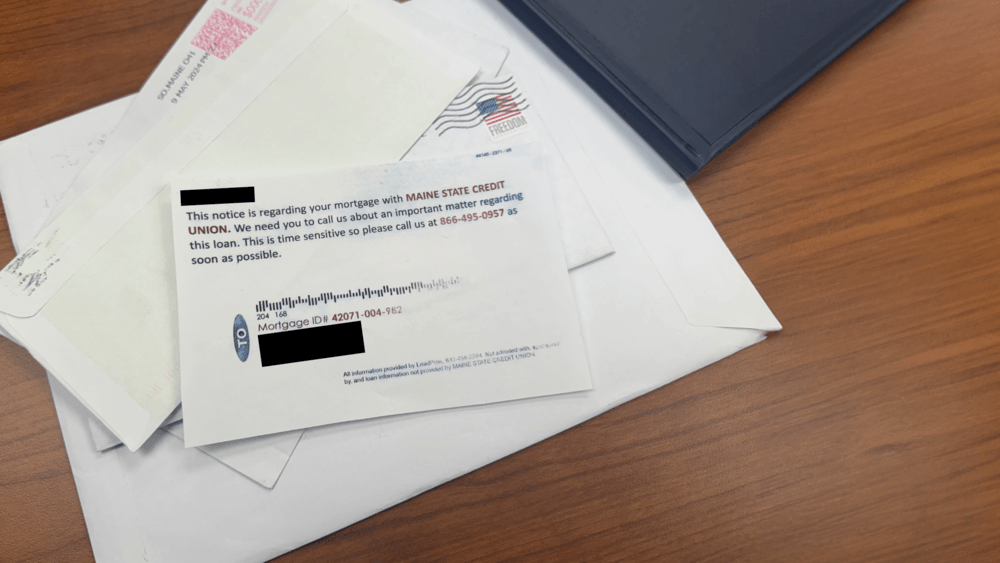
Scammers send emails, text messages, or social media messages that appear legitimate and often create a sense of urgency.
To stay safe:
- Avoid clicking links in unexpected messages.
- Verify requests directly with the organization.
- Be cautious when sharing personal information.
Password Theft
Weak or reused passwords make it easier for criminals to access your accounts. If one account is compromised, scammers may try the same password elsewhere.
Identity Theft
Criminals can use stolen personal information to open accounts, apply for loans, or access existing financial accounts.
AI-Powered Scams
Advances in artificial intelligence have made scams more convincing than ever. Fake emails, voice clones, and impersonation scams are becoming increasingly common.
Five Ways to Improve Your Cybersecurity
1. Use Strong, Unique Passwords
Create long passwords and use a different password for each account. Consider using a password manager to keep track of them.
2. Enable Multi-Factor Authentication
Multi-factor authentication (MFA) adds an extra layer of security by requiring a second verification step before logging in.
3. Keep Devices Updated
Software updates often include important security patches that help protect against new threats.
4. Think Before You Click
Be wary of unexpected emails, texts, or phone calls that request personal information or urge immediate action.
5. Monitor Your Accounts
Review your account activity regularly and report suspicious transactions as soon as possible.
If You Suspect Fraud
If you believe your information may have been compromised:
- Change your passwords immediately.
- Contact your financial institution.
- Monitor accounts for suspicious activity.
- Consider placing fraud alerts on your credit reports.
- Report scams to the appropriate authorities.
Stay Aware, Stay Protected
Cybersecurity is a shared responsibility. While financial institutions invest heavily in protecting your information, staying informed and practicing safe online habits are some of the most effective ways to protect yourself.
Remember: Legitimate organizations will never pressure you to provide sensitive information through unsolicited emails, text messages, or phone calls.
Cybersecurity begins with awareness. Every secure click, strong password, and cautious decision helps protect what matters most.